Cart
0
You may also like
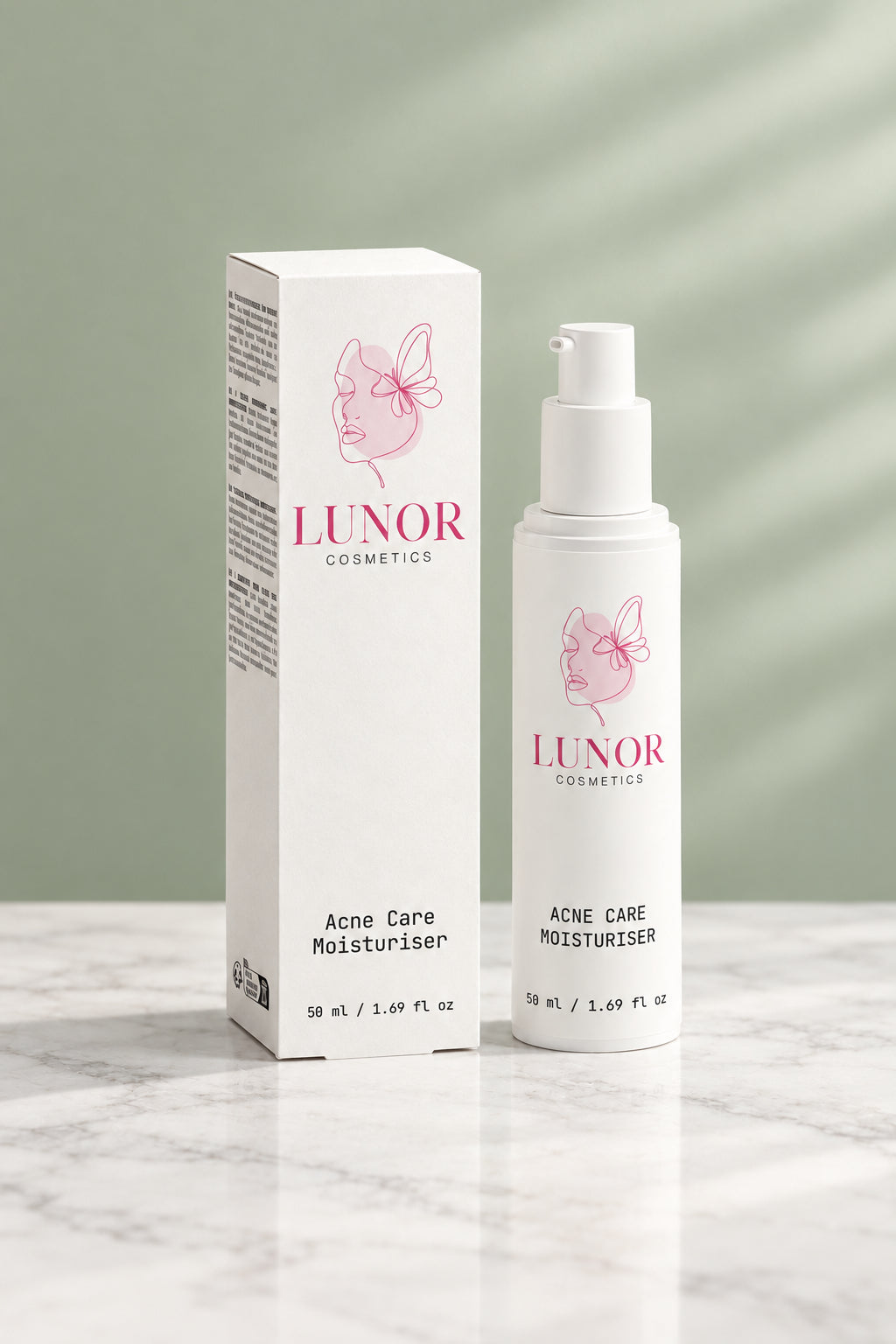
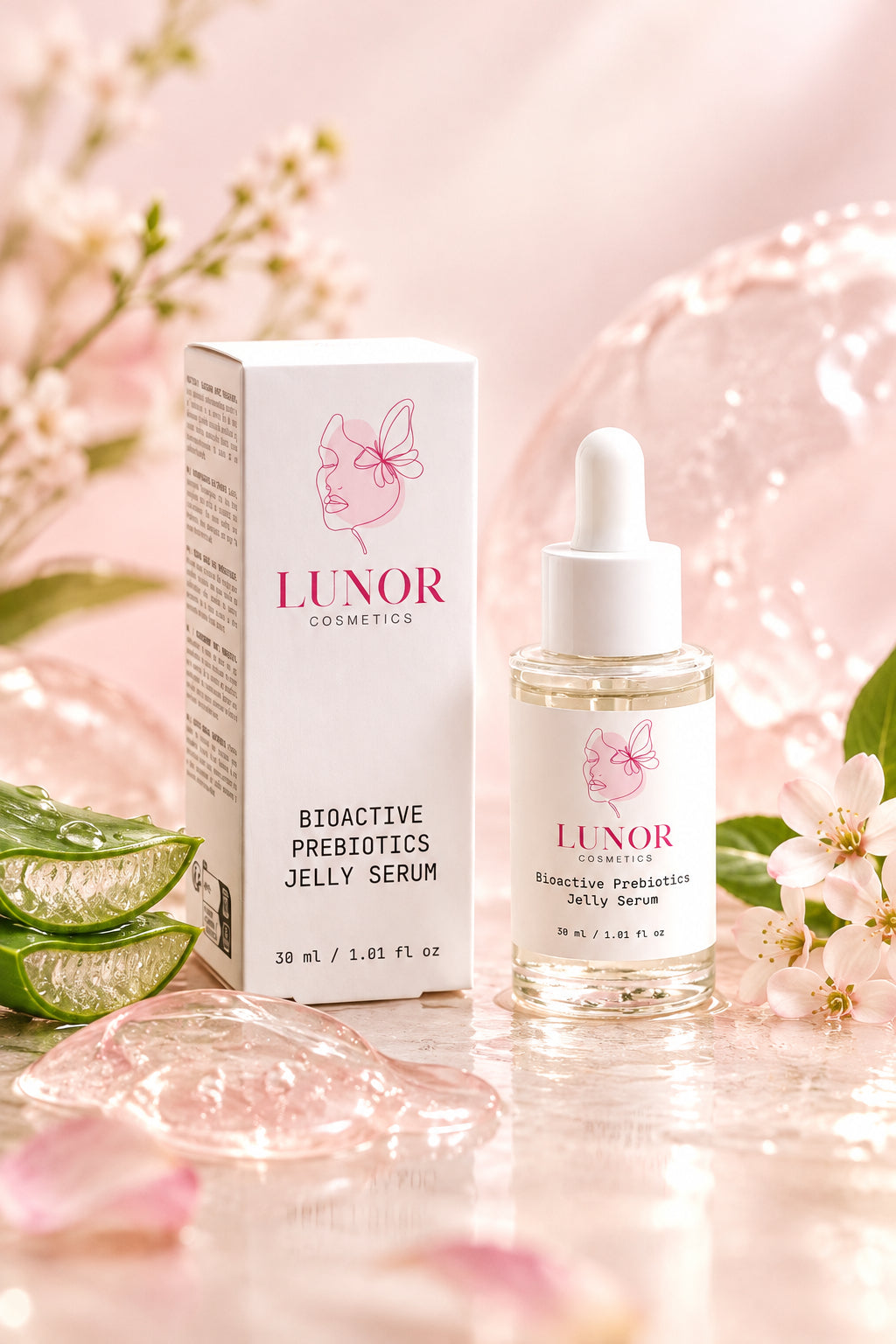
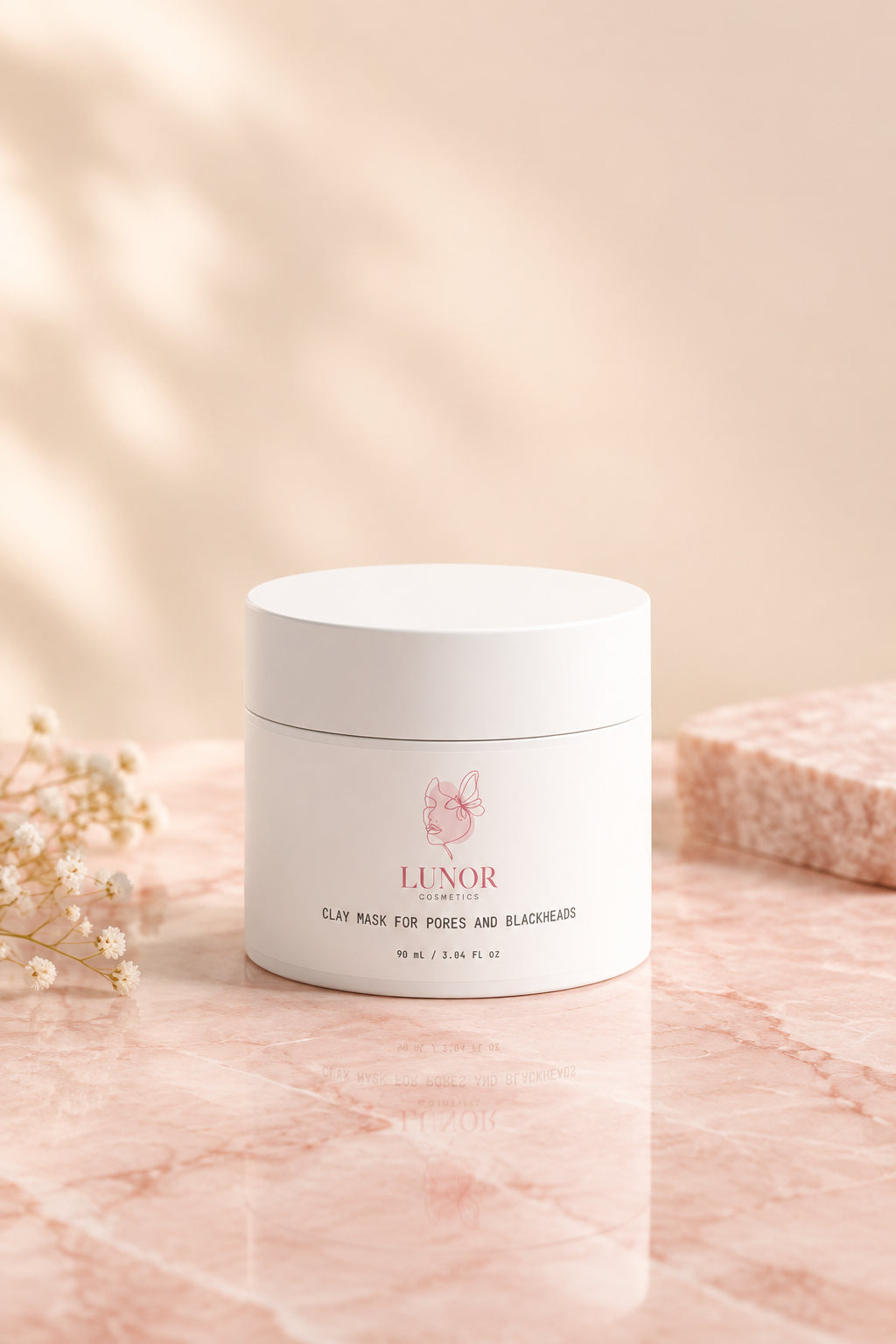
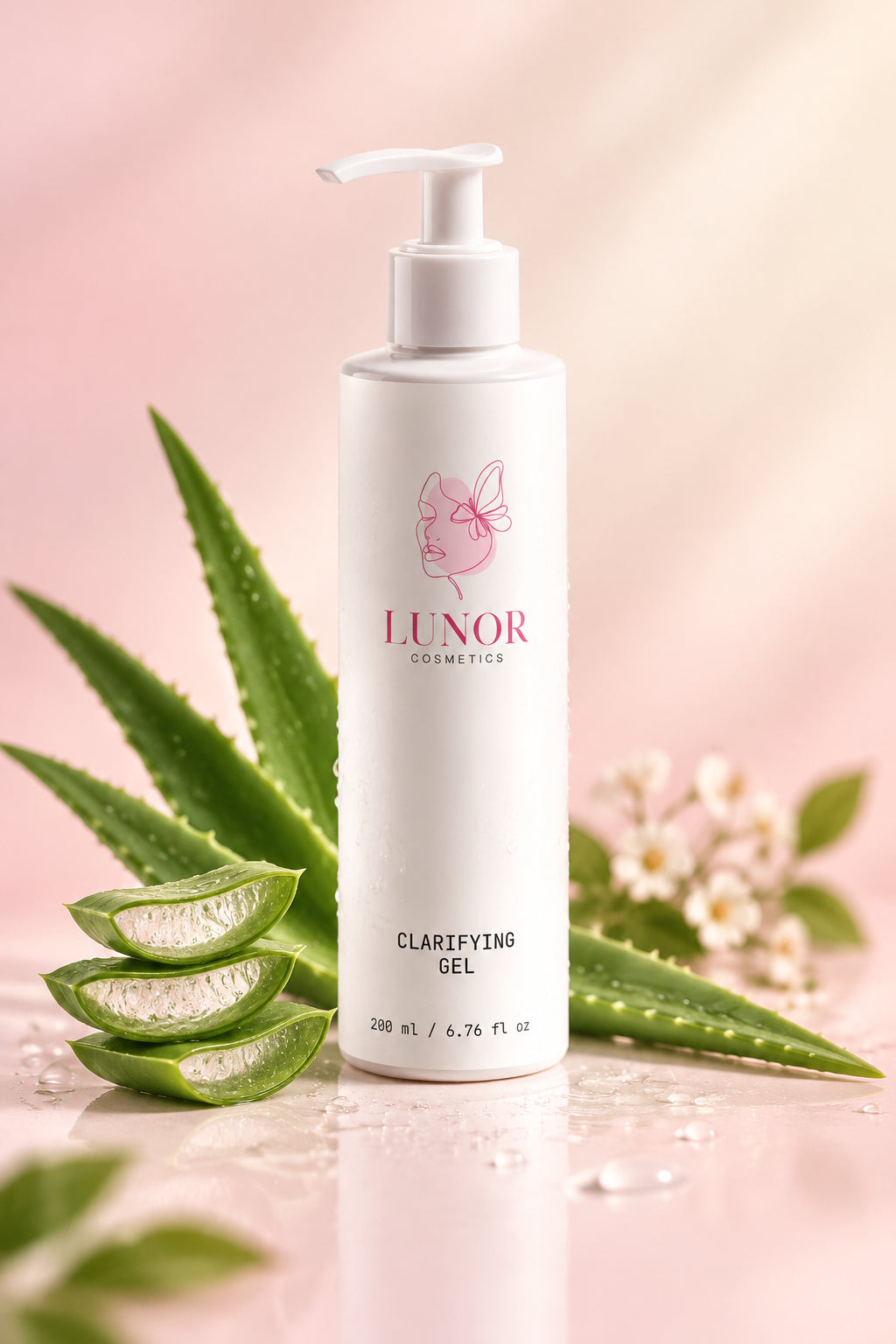


Walk down any skincare aisle, online or off, and you'll see the word "natural" everywhere. So will "clean" and "eco-friendly." Here's the thing worth knowing upfront: none of these words have a single, standardized legal definition that every brand is required to follow. That means "natural" can mean very different things depending on who's using it.
We'd rather tell you exactly what we mean when we use it, and give you the tools to check our work yourself.
When we describe a Lunor product or ingredient as natural, we mean it is derived from plant, mineral, or other naturally occurring sources, processed only as much as needed for safety, stability, and performance in the finished product. Some ingredients in our formulas are nature-derived but require a manufacturing step (like emulsifiers or preservative systems) to keep a product safe and effective over its shelf life. We do not use the word "natural" to imply that a product is entirely unprocessed or made only of raw, untouched materials.
Where we hold a specific third-party certification for a product or ingredient, we state it explicitly on that product's page, along with the certifying body. If a product page doesn't list a certification, that product hasn't been certified by a third party, even if it contains naturally derived ingredients.
Every Lunor product lists its full ingredients using International Nomenclature of Cosmetic Ingredients (INCI) names, the standardized naming system used across the cosmetics industry. A few tips for reading it:
To keep things clear:
Our ingredient philosophy applies across the range. Browse by category to see full ingredient lists and any certifications on each product page:
Does "natural" mean organic?
No. Natural and organic are different claims. Organic typically refers to how an agricultural ingredient was grown and requires its own certification. We only use the word "organic" where a specific ingredient or product holds that certification.
Are Lunor products preservative-free?
Not necessarily. Many of our formulas include a preservative system to keep the product safe to use throughout its shelf life. Check the individual product page for the full ingredient list.
Is "natural" the same as "safe for sensitive skin"?
No. Natural origin doesn't determine whether an ingredient will suit a particular person's skin. We recommend reviewing the full ingredient list and patch testing before regular use, especially if you have known sensitivities or allergies.
Where can I see what's actually in a product?
The full ingredient list is published on every product page. That's the most accurate source, more so than the word "natural" on its own.
Do you test on animals?
We state our position on animal testing directly on relevant product or policy pages rather than here, so it stays accurate and current.
